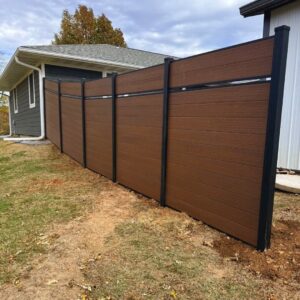
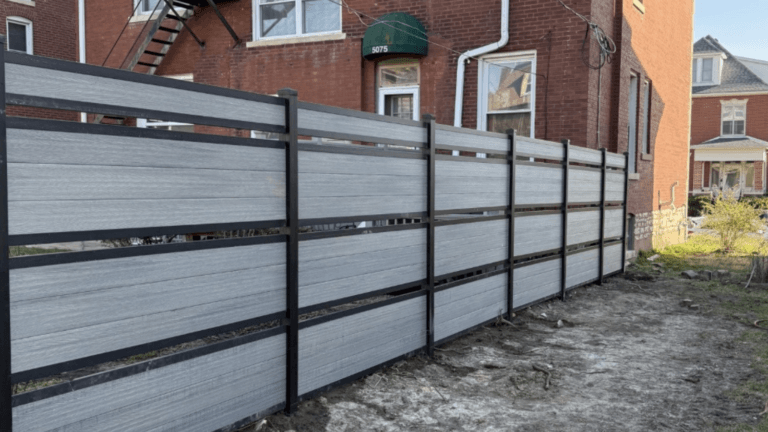
Composite fencing has become one of the most popular fence options for homeowners looking for a durable, low-maintenance, and attractive alternative to a traditional wood fence. Designed to combine the natural look of wood with the long lifespan of modern fencing materials, much like composite decking, composite fencing offers a balance of performance and curb appeal that appeals to many property owners.
Whether you are replacing an old wooden fence or planning a new fence installation, understanding how composite fencing works can help you choose the right solution for your outdoor space.
What Is Composite Fencing Made Of?
Composite fencing is made from composite materials that blend recycled wood fibers with recycled plastic. These recycled materials are compressed and engineered into high-quality pickets, fence posts, and composite fence panels that mimic the appearance of real wood while improving durability and weather resistance.
Many manufacturers also use reclaimed wood and recycled plastic materials to support sustainability efforts and reduce waste sent to landfills.
Unlike a traditional wood fence, composite fencing materials are designed to resist common problems such as:
- Warping
- Splintering
- Insect damage
- Rot
- Fade-related wear
- Moisture absorption
The result is a durable fence that delivers the wood grain appearance homeowners want without the demanding upkeep associated with traditional materials.
How Does Composite Fencing Work?
Composite fence systems are designed with interlocking fence boards or panels that attach securely to fence posts. These systems create strong, stable fencing structures capable of withstanding harsh weather and changing weather conditions.
Most composite fencing products are engineered for:
- Privacy fence applications
- Residential properties
- Commercial spaces
- Landscaping boundaries
- Outdoor living areas
Because the material is denser than many traditional fencing materials or even some metal fences, composite fencing can also perform well in high winds and fluctuating temperatures.
Benefits of Composite Fencing
Many homeowners choose composite fencing because it combines appearance, performance, and convenience into one fencing solution.
Low-Maintenance Performance
One of the biggest benefits of composite fencing is its low-maintenance design. Unlike a wooden fence, composite fencing does not require regular painting, staining, or sealing.
Maintenance is usually limited to occasional cleaning with soap and water to remove dirt or debris.
This minimal maintenance approach helps homeowners save time and reduce long-term upkeep costs.
Exceptional Durability
Composite fencing is built for durability. The combination of wood fibers and recycled plastic creates a strong material that resists cracking, splintering, and moisture-related damage.
High-quality composite fencing also resists:
- Termites
- Insect damage
- Warping
- Mold and mildew
- Harsh weather exposure
This weather resistance helps composite fences maintain their appearance and structural integrity for many years.
Long Lifespan
Compared to traditional wood fence materials, composite fencing typically offers a much longer lifespan. Many composite fence systems are backed by strong warranty coverage, providing additional peace of mind for homeowners.
With proper fence installation, composite fencing can last 20 to 30 years or more.
Eco-Friendly Construction
Sustainability is another reason composite fencing continues to grow in popularity. Many composite fencing materials contain recycled wood and recycled plastic that would otherwise contribute to landfill waste.
For environmentally conscious homeowners, composite fencing provides an eco-friendly alternative to some traditional materials and PVC-based products.
Attractive Wood-Like Appearance
Composite fencing is engineered to replicate the natural wood appearance many homeowners prefer. Modern composite fence panels often feature textured wood-grain finishes that resemble real wood without the ongoing maintenance concerns.
This natural look can improve curb appeal while complementing landscaping and outdoor design features.
Composite Fencing vs Traditional Wood Fence
Homeowners often compare composite fencing to a traditional wood fence when evaluating fence options.
Maintenance Differences
Traditional wood fences typically require:
- Painting
- Staining
- Sealing
- Frequent repairs
Composite fencing requires significantly less upkeep, making it a low-maintenance option for busy homeowners.
Durability Differences
Wooden fence materials can experience:
- Rot
- Splintering
- Warping
- Termite damage
- Weather-related deterioration
Composite fencing materials are engineered to resist these issues and provide greater durability in changing weather conditions.
Appearance Differences
Both materials can offer a natural wood appearance, but composite fencing maintains its appearance longer because of its fade-resistant design and moisture resistance.
Cost Differences
Composite fencing generally has a higher upfront cost than wood fence materials. However, many homeowners find composite fencing more cost-effective over time due to its reduced maintenance and longer lifespan.
Composite Fencing vs Vinyl Fencing
Vinyl fencing is another popular low-maintenance fencing material, but there are key differences between vinyl and composite fencing.
Appearance
Composite fencing usually offers a more realistic wood-grain texture and a natural wood appearance than vinyl fencing.
Strength
Composite fencing tends to be denser and more rigid, making it a strong option for privacy fence applications and high winds.
Sustainability
Many composite fencing materials use recycled materials, while vinyl fencing is made primarily from PVC.
Maintenance
Both are low-maintenance fencing materials, though composite fencing is often preferred for homeowners seeking a more natural look.
Where Composite Fencing Works Best
Composite fencing is a versatile solution suitable for many residential and commercial applications.
Popular uses include:
- Backyard privacy fences
- Pool enclosures
- Outdoor space dividers
- Decorative landscaping
- Commercial property boundaries
- Durable perimeter fencing
Because of its weather resistance and long lifespan, composite fencing works especially well in areas exposed to harsh weather and changing climates.
Is Composite Fencing Worth the Upfront Cost?
For many homeowners, the answer is yes.
Although composite fencing has a higher upfront investment than some traditional materials, the long-term value often outweighs the initial cost. Reduced maintenance, fewer repairs, strong durability, and extended lifespan can make composite fencing a smart long-term investment.
The added curb appeal and premium appearance can also improve the overall value of your property.
Choosing the Right Composite Fence
When selecting a composite fence system, it is important to consider:
- Fence style
- Color options
- Warranty coverage
- Fence installation quality
- Privacy needs
- Budget
- Climate conditions
Working with an experienced fence installation company can help ensure your new fence is properly installed for maximum performance and longevity.
Upgrade Your Property With Composite Fencing
Composite fencing continues to gain popularity because it combines the beauty of real wood with the convenience of modern engineering. Its low-maintenance design, long lifespan, eco-friendly construction, and durable performance make it an appealing option for homeowners seeking a reliable fence solution.
Whether you want enhanced privacy, improved curb appeal, or a cost-effective fencing investment, composite fencing offers long-term benefits that traditional materials often cannot match.
Frequently Asked Questions (FAQs)
What is composite fencing made from?
Composite fencing is typically made from recycled wood fibers and recycled plastic materials combined to create durable fence boards and panels.
Is composite fencing better than a wood fence?
Composite fencing offers several advantages over a traditional wood fence, including lower upkeep, improved durability, weather resistance, and longer lifespan.
Does composite fencing splinter?
No. Composite fencing is designed to resist splintering, making it safer and more comfortable than some traditional wooden fence materials.
How long does composite fencing last?
Many high-quality composite fence systems can last 20 to 30 years or longer with proper installation and minimal maintenance.
Is composite fencing eco-friendly?
Yes. Many composite fencing products use recycled materials such as reclaimed wood and recycled plastic, helping reduce landfill waste.
Does composite fencing fade over time?
Most modern composite fencing products are fade-resistant and designed to maintain their appearance longer than traditional wood fence materials.
Is composite fencing more expensive upfront?
Yes. Composite fencing generally has a higher upfront cost than wood or vinyl fencing, but many homeowners find it more cost-effective in the long term.
Can composite fencing handle harsh weather?
Yes. Composite fencing is designed for weather resistance and can withstand harsh conditions, including high winds, moisture, and changing weather.