Choosing the right fence material can shape the appearance, privacy, and long-term value of your property for years to come. For many homeowners, the decision often comes down to composite fencing vs vinyl fencing. Both are popular low-maintenance fence options that offer durability and curb appeal, often serving as alternatives to wood or metal fencing, but they perform differently depending on your goals, climate, and budget.
If you are planning a new fence for your home or business, understanding the key differences between composite and vinyl materials can help you make a more confident investment. From lifespan and upkeep to sustainability and appearance, each type of fencing offers distinct advantages.
What Is Composite Fencing?
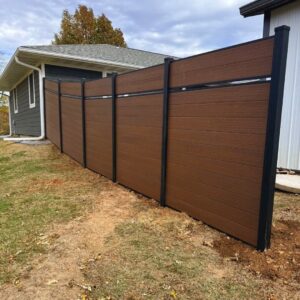
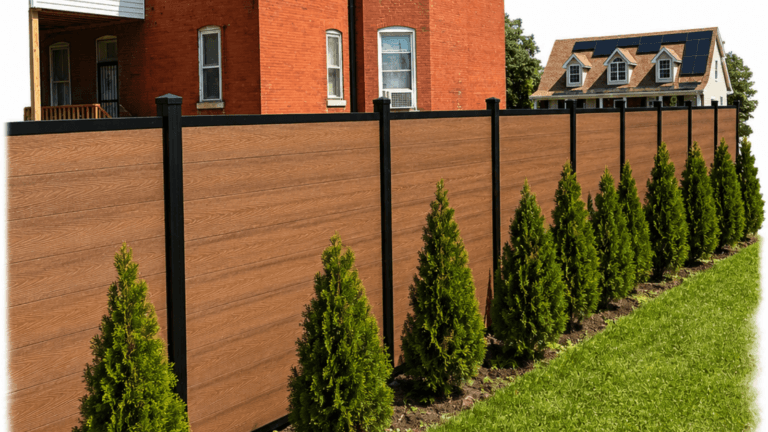
Composite fencing is made from composite materials that typically combine recycled wood fibers and recycled plastic. This manufacturing process creates a durable fence material that delivers the natural look of wood without many of the maintenance requirements associated with traditional wood fences.
Many composite fencing systems feature a wood-grain texture and wood-like appearance that closely resembles real wood. Because the material is engineered, it resists common problems such as insect damage, splintering, and warping.
Homeowners often choose composite fencing when they want:
- A natural wood appearance
- Long-term durability
- Eco-friendly materials
- Minimal maintenance
- Enhanced privacy
Composite fencing is especially popular for privacy fence applications because of its strength and premium appearance.
What Is Vinyl Fencing?
Vinyl fencing is primarily made from PVC, also known as polyvinyl chloride. Unlike composite fencing, vinyl does not contain wood fibers. Instead, it is manufactured entirely from synthetic materials designed to withstand moisture and outdoor exposure.
Vinyl fencing is widely known as a low-maintenance option because it does not require painting, staining, or sealing. It is commonly used for picket fences, privacy fences, and decorative landscaping applications.
Common benefits of vinyl fencing include:
- Affordable upfront cost
- Easy upkeep
- Resistance to mildew and moisture
- Variety of style options
- Clean, modern appearance
Vinyl fence installation is also often faster than installing heavier fencing materials, which can help reduce installation cost in some cases.
Durability: Which Fence Lasts Longer?
Durability is one of the biggest factors homeowners consider when comparing fence options.
Composite Fence Durability
Composite fencing is designed for strength and long lifespan performance. Because it contains recycled wood combined with plastic materials, it tends to be more rigid and structurally stable than vinyl.
Composite fences typically resist:
- Warping
- Splintering
- Rot
- Insect damage
- Fading
- High winds
High-quality composite fencing can perform well in a variety of climates, including areas with extreme temperatures and extreme cold. The dense material also helps maintain privacy and structural integrity over time.
For homeowners looking for long-term value, composite fencing often delivers a lifespan of 20 to 30 years or more with proper installation.
Vinyl Fence Durability
Vinyl fencing is also durable and resistant to moisture-related damage. Unlike a wood fence, vinyl will not rot or attract termites. However, vinyl can become brittle in extreme cold and may crack under impact in harsh conditions.
In areas with high winds or fluctuating temperatures, some vinyl fences may experience movement or damage over time. Lower-quality vinyl materials are also more susceptible to fading and warping from prolonged sun exposure.
That said, premium vinyl fencing products can still offer a long lifespan and a comprehensive warranty when professionally installed and properly maintained.
Appearance and Style Options
The visual appeal of your fence can dramatically affect your outdoor space and curb appeal.
Composite Fencing Appearance
One of the biggest advantages of composite fencing is its realistic look of wood. The textured surface and wood-grain finish create a warm, upscale appearance that many homeowners prefer over synthetic alternatives.
Composite fencing pairs well with:
- Natural landscaping
- Modern homes
- Traditional homes
- Luxury outdoor spaces
- Privacy-focused designs
If you want the beauty of natural wood without ongoing upkeep, composite fencing offers a strong balance between aesthetics and convenience.
Vinyl Fencing Appearance
Vinyl fencing generally has a smoother, cleaner look. While modern products may mimic wood textures, vinyl still tends to have a more synthetic appearance compared to composite materials.
Vinyl fencing works well for:
- Picket fences
- Decorative boundaries
- Contemporary homes
- Simple privacy fence layouts
For homeowners prioritizing a classic white fence or a minimalist design, vinyl can be an attractive choice.
Maintenance Requirements
Both composite and vinyl fencing are considered low-maintenance fence materials compared to real wood.
Composite Fence Maintenance
Composite fencing requires minimal maintenance over its lifespan. Most upkeep simply involves occasional cleaning with soap and water to remove dirt or mildew buildup.
Unlike natural wood fencing, composite does not require:
- Painting
- Staining
- Sealing
- Frequent repairs
Because composite materials resist splintering and moisture absorption, maintenance requirements remain relatively low throughout the life of the fence.
Vinyl Fence Maintenance
Vinyl fencing is also known for easy upkeep. It can usually be cleaned with water and mild detergent to remove dirt and mildew.
However, vinyl may require occasional attention if panels crack or shift over time. In some climates, exposure to extreme temperatures can increase wear and tear.
Overall, both materials are strong low-maintenance options, but composite fencing often provides greater structural stability over the long term.
Sustainability and Environmental Impact
Sustainability matters to many homeowners when selecting fencing materials.
Composite Fencing and Eco-Friendly Benefits
Composite fencing is often considered the more eco-friendly option because it commonly uses recycled materials such as recycled wood and recycled plastic.
By repurposing these materials, manufacturers help reduce waste sent to landfills. Many homeowners appreciate that composite fencing combines durability with a lower environmental impact.
Because composite fences last for decades, they may also reduce replacement frequency and material waste over time.
Vinyl Fencing and Environmental Concerns
Vinyl fencing is made from PVC, a synthetic plastic material. While vinyl can sometimes be recycled, the manufacturing process for polyvinyl chloride may have a greater environmental impact compared to composite materials.
Some homeowners prefer to avoid PVC products because of concerns surrounding production methods and long-term sustainability.
If eco-friendly construction is a priority, composite fencing may align more closely with your goals.
Upfront Cost vs Long-Term Value
Cost is often one of the deciding factors when comparing fencing options.
Composite Fence Cost
Composite fencing generally comes with a higher upfront cost than vinyl fencing. Material pricing and installation cost are usually greater because composite products are heavier and more premium in appearance.
However, many homeowners view composite fencing as a worthwhile long-term investment because of its:
- Extended lifespan
- Minimal maintenance
- Enhanced durability
- Premium appearance
- Strong resale appeal
Over time, reduced upkeep and fewer repairs can help offset the initial investment.
Vinyl Fence Cost
Vinyl fencing is often considered more cost-effective upfront. Material and labor expenses are usually lower, making vinyl attractive for homeowners working within a tighter budget.
For many residential applications, vinyl provides a balance between affordability and low maintenance.
Still, potential repairs or panel replacements over time may impact overall long-term value depending on local climate conditions and fence quality.
Composite vs Vinyl Fence for Missouri Climates
Missouri weather can include intense heat, heavy rain, humidity, freezing temperatures, and strong winds throughout the year. These changing climates make fence durability especially important.
Composite fencing often performs exceptionally well in Missouri because it resists moisture, insect damage, warping, and temperature fluctuations. Its rigid structure can also hold up better against high winds.
Vinyl fencing remains a popular choice, but extreme cold and temperature swings can sometimes increase the risk of cracking or brittleness over time.
For homeowners seeking maximum durability with a natural look, composite fencing may provide stronger long-term performance in Midwest conditions.
Which Fence Material Should You Choose?
The right fence material depends on your priorities, style preferences, and budget.
Choose composite fencing if you want:
- A wood-like appearance
- Long-term value
- Eco-friendly materials
- Enhanced durability
- Strong privacy fence performance
- Minimal maintenance with premium aesthetics
Choose vinyl fencing if you want:
- A lower upfront cost
- Simple maintenance
- Classic picket fence styles
- A lightweight fencing option
- Clean and modern appearance
Both materials outperform traditional wood fences in terms of maintenance and longevity, but composite fencing often stands out for homeowners seeking a more natural appearance and stronger long-term durability.
Upgrade Your Outdoor Space With the Right Fence
Your fence does more than define property lines. It shapes privacy, security, curb appeal, and the overall experience of your outdoor space. Whether you choose composite or vinyl fencing, investing in high-quality materials and professional fence installation can make a major difference in performance and lifespan.
For property owners looking for a low-maintenance fence with the beauty of natural wood and exceptional durability, composite fencing continues to grow in popularity across Missouri.
Frequently Asked Questions
Is composite fencing more expensive than vinyl fencing?
Yes, composite fencing usually has a higher upfront cost than vinyl fencing. However, many homeowners consider it a better long-term value because of its durability, lifespan, and premium appearance.
Which fence requires less upkeep?
Both composite and vinyl fencing are low-maintenance options compared to traditional wood fences. Neither requires painting or staining, though occasional cleaning is recommended.
Does composite fencing look like real wood?
Yes. Composite fencing is designed with wood-grain textures and wood-like appearance features that closely resemble natural wood.
Can vinyl fencing crack in cold weather?
Yes. In extreme cold, some vinyl fencing materials may become brittle and more prone to cracking under impact.
Is composite fencing eco-friendly?
Many composite fencing products use recycled wood fibers and recycled plastic, making them a more eco-friendly fencing option than some synthetic alternatives.
Which fence lasts longer?
Both materials offer long lifespan potential, but high-quality composite fencing is often considered more durable in extreme temperatures and harsh climates.
Is vinyl fencing cheaper to install?
In many cases, yes. Vinyl fence installation can be less expensive because the material is lighter and easier to work with than composite fencing.
What is the best privacy fence option?
Both vinyl and composite can work well as a privacy fence, but composite fencing is often preferred for its strength, durability, and upscale natural look.