
Composite Fence Supplier · DIY & Contractor
DIY Composite Fence Panels, Supplied & Shipped
StackFence helps DIY homeowners, contractors, and fence installers buy composite fence materials without guessing. Send your footage, height, gates, color, and project ZIP — we’ll help calculate the material package before you order, then help determine the best shipping path for your materials. We support supply-only and contractor projects beyond our local install area.
- 20-Year Material Warranty
- Composite Boards · Black Aluminum Posts
- Supply-Only & Contractor Pricing
- Free Material Takeoff Help
- Shipping Options Available

Free · No Obligation
Get a Free Material Takeoff
Send us your fence layout, footage, height, gates, color, and ZIP code. We’ll help calculate the boards, posts, rails, caps, gates, and shipping path before you order.
- How many boards, posts, rails & caps you actually need
- Gate, corner, slope & short-run planning
- Supply-only and contractor pricing
- Shipping options for your project
Your information is private. No spam. No obligation.
Or call (660) 322-1668Get a Free Material Takeoff
Tell us your footage, height, color, gates, ZIP code, and whether you’re DIY, contractor-installed, or supply-only. A real person will review it and help point you in the right direction.
Not Just Panels — A Full Fence Material Package
Searching for “fence panels” is just the start. A composite fence is a complete system, and StackFence helps you account for every part before you order — so nothing’s missing on install day.
- Composite boards
- Posts & end posts
- Rails
- Caps
- Gate posts
- Gate kits
- Corners
- Short runs
- Slopes & stepped sections
- Freight / shipping considerations
Which One Sounds Like You?
Pick your path — every one leads to the same fast, free takeoff.
DIY Homeowner
Installing it yourself? Send your footage, height, gates, color, and a rough layout. We’ll help calculate the boards, posts, rails, caps, and gates before you order.
Get My DIY Material ListContractor / Fence Installer
Adding composite to a customer project? Ask about supply-only and contractor pricing. We help with takeoffs, product selection, and shipping.
Request Contractor PricingWant It Installed
Prefer a done-for-you install where available? Tell us about the project and we’ll point you in the right direction.
Ask About Installation HelpThe StackFence Composite Fence System
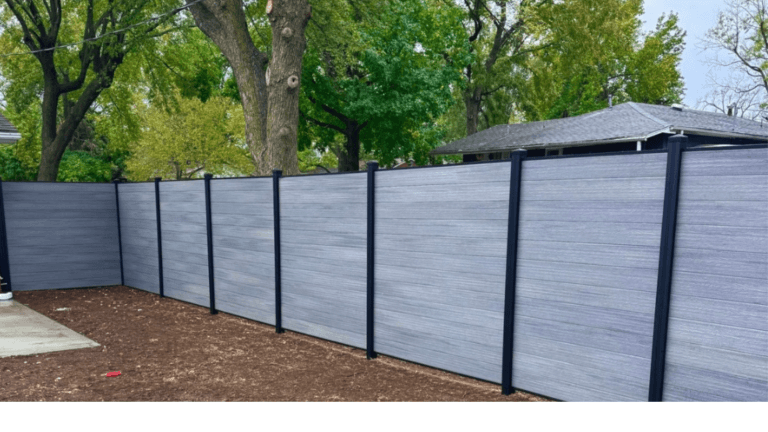
A horizontal composite system built around repeatable parts — which is what makes it realistic to install yourself or hand to a crew.
Exact material quantities depend on height, footage, gates, corners, slopes, and short runs — which is what the free takeoff is for. Explore the full composite fence system.
How Ordering & Shipping Works
- Send your project. Footage, height, gates, color, ZIP, and a rough layout.
- We calculate the package. StackFence helps work out the full material list.
- Review pricing. Supply-only or contractor pricing, your choice.
- We coordinate shipping options and the best path for your materials.
- Install it your way. DIY, your contractor, or ask about installation help.
Who This Is For
This is a serious material system — realistic for a capable person or crew, not a throwaway weekend kit.
A Good Fit If You’re…
- A DIY homeowner comfortable with tools, layout, digging & concrete
- A fence contractor or installer
- A handyman or remodeler
- A deck builder or property manager
- A builder wanting a modern privacy fence product
- Someone who already has an installer but needs materials
This May Not Be a DIY Fit If…
- You’re not comfortable setting posts in concrete
- You don’t want to dig post holes
- Your yard has major slope, retaining walls, or drainage issues
- You have complicated gate openings
- You need the fastest possible install
- You want someone else responsible for the full installation
What Matters Most on the Install
It’s realistic for capable DIYers, handymen, contractors, and installers — but the outcome is decided by a few critical steps. Get these right and the rest follows a rhythm.
Layout & Post Spacing
Accurate layout sets everything else. Consistent spacing is what lets panels seat cleanly.
Posts Level, Plumb & in Concrete
The most common cause of a fence that leans later. Solid concrete and plumb posts are non-negotiable.
Gates
Opening width, hinge posts, and clearance all need to be planned deliberately.
Slopes & Corners
Grade changes, corners, and short runs are where measurements get tricky — plan them before you set posts.
DIY vs. Contractor Install vs. Full Installation
| DIY Install | Your Contractor Installs | Professional Install* | |
|---|---|---|---|
| Best for | Hands-on owners | Owners with a crew | Hands-off owners |
| Who buys materials | You (supply-only) | You or contractor | Included |
| Who handles layout | You | Contractor | Installer |
| Digging / concrete | You | Contractor | Installer |
| Gates | You | Contractor | Installer |
| Cost expectation | Lowest (materials only) | Materials + their labor | Materials + install |
| Next step | Get DIY List | Get Contractor Pricing | Ask About Install |
*Professional installation is available in select areas — ask and we’ll let you know.
Colors & Styles
Three modern colors in privacy and semi-private layouts. No staining, sealing, or painting.

Not Sure Which Color or Style to Choose?
Why Contractors & DIY Buyers Choose StackFence
- Dedicated composite fence distributor
- Horizontal composite fence system
- Composite boards & black aluminum posts
- Material takeoff help before ordering
- Supply-only & contractor pricing
- Privacy & semi-private options
- Brown, Jet Black & Storm Grey colors
- No staining, sealing, or painting
- Lower maintenance than wood
- Shipping options available
- 20-year material warranty
- Real human support
Can StackFence Ship Materials to My Project?
Yes. StackFence can supply composite fence materials for DIY and contractor projects and help coordinate shipping options. Tell us your project location, footage, height, gates, and color, and we’ll help determine the best material package and shipping path.
What to Send Us
The more detail you include, the more useful our help will be.
- Approximate linear footage
- Desired height
- Color preference
- Privacy or semi-private style
- Number of gates
- Project ZIP code
- DIY, contractor-installed, or supply + installation
- Photos, sketches, survey, or a marked-up screenshot
- Any slope, corners, retaining walls, or tricky sections
Frequently Asked Questions
Can I buy StackFence materials without installation?
Yes — supply-only is one of our core options. Send your project details and we’ll provide supply-only pricing along with a material takeoff.
Can contractors buy StackFence materials?
Absolutely. Contractors and fence installers can buy the system. Ask about contractor pricing, takeoff help, product selection, and shipping.
Can StackFence ship composite fence panels?
Yes. We can supply materials for DIY and contractor projects and help coordinate shipping options. Tell us your project location and configuration and we’ll help determine the best shipping path.
How hard is StackFence to install yourself?
It’s realistic for a capable DIYer because the system uses standardized, repeatable parts. The work that matters most is accurate layout, level post setting, and concrete — patience matters more than specialty skill.
What tools are needed for DIY installation?
Mostly standard outdoor-project tools — a level, post-hole digging equipment, and gear for mixing and setting concrete. The emphasis is on accuracy, not exotic equipment.
What is the hardest part of the install?
Layout and post setting. Getting posts spaced correctly, plumb, and set in proper concrete determines whether panels seat cleanly and the fence stays straight. Gates and slopes are next.
Can StackFence help calculate materials?
Yes — that’s the free material takeoff. Send footage, height, gate count, and a layout and we’ll help work out boards, posts, rails, and caps so you don’t run short or over-order.
What colors are available?
Brown, Jet Black, and Storm Grey, in privacy and semi-private styles. Order samples to see them in person.
Are gates available?
Yes, gate options are part of the system. Tell us how many gates and roughly where they go so we can include the right gate posts and kits in your takeoff.
Is composite fencing lower maintenance than wood?
Yes. Composite boards don’t need staining, sealing, or painting the way a wood fence does, which is a major reason people switch.
Does it need staining or sealing?
No. The composite boards are designed to skip staining, sealing, and painting after install.
Is this the same as vinyl fencing?
No — they’re different categories. StackFence is a wood-plastic composite product. Vinyl (PVC) is a separate material category with a different look and construction.
Is this the same as Trex fencing?
StackFence is not Trex and doesn’t claim to be. People often search “Trex fence panels” as a general way to describe composite fencing, but StackFence supplies its own composite fence system.
Can I use my own contractor?
Yes. Many customers buy supply-only and have their own contractor install. We’re happy to coordinate the takeoff and shipping with you or your installer.
What should I send to get pricing?
Footage, height, color, number of gates, project ZIP, whether it’s DIY/contractor/installed, and any photos or a sketch. Send it through the form and a real person will review it.
Ready to Price the Materials?
Send your footage, height, gates, color, ZIP code, and a rough layout. We’ll help get the material package on paper before you order.